


The Path that Began with "Akinchi"
The role of national press in the process of the Azerbaijani people's stepping into the period of national revival, the formation of state and statehood values, the awakening of national consciousness, and self-awareness is immense and irreplaceable.
The history of Azerbaijani press began with the publication of the newspaper “Akinchi”, founded by Hasan bey Zardabi in 1875. The day the first issue of the newspaper was published – July 22, is now celebrated as the National Press and Journalism Day in Azerbaijan.
The publication of “Akinchi” resonated throughout the entire Caucasus. The newspaper strengthened the foundation of enlightenment in Azerbaijan and played a significant historical role in nurturing new writers, intellectual elites, and generations of journalists. “Akinchi” also promoted women's liberation and education, voiced strong criticism against religious dogmas, superstitions, and ignorance, and gave a significant impetus to the development of social-political as well as artistic thought of its time. Most importantly, all these ideas of social freedom were realized in our national language—the Azerbaijani language.
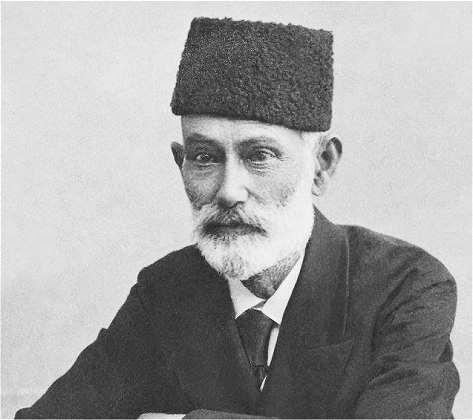
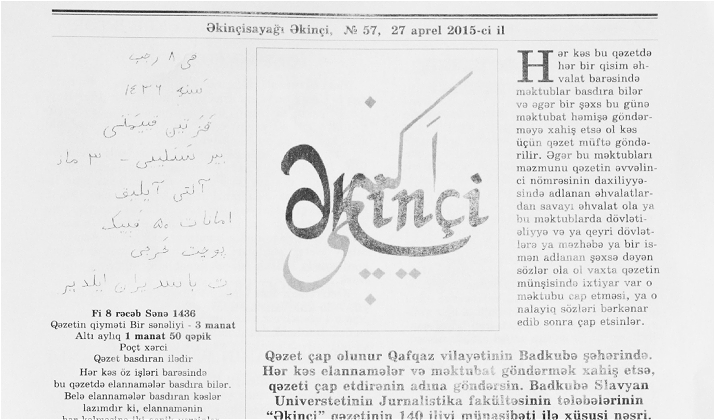
Thus, with its focus on enlightenment, modernization, the promotion of national goals, the organic blend of universal values with national traditions, the alignment of literary language with spoken language, and the objective coverage of events, “Akinchi” paved the way for numerous subsequent publications.
Between 1880 and 1891, the newspaper “Kashkul”, published under the leadership of Jalal Unsuzadah, mainly opposed Eastern despotism and backwardness while promoting cultural development.
The Russian-language newspaper “Kaspi”, published in Baku between 1881 and 1919, aimed primarily at fostering national identity through analytical discussions. It emphasized building a reliable foundation for Azerbaijan’s integration into Europe and, more broadly, the global community. The newspaper also advocated for the transformation of political circles into political parties during the late 19th and early 20th centuries and explored how their ideological political activities brought political dimensions into societal and cultural thought.
In 1903, Mohammad agha Shahtakhtli, thoroughly familiar with Western journalism standards through his work in European and Central Russian newspapers and magazines, succeeded in publishing the newspaper Shargi-Rus”. Starting to operate out of Tbilisi, the newspaper covered social-political, economic, scientific, and literary topics. It attracted intellectuals like Mirza Alakbar Sabir, Jalil Mammadguluzadah, Abbas Sahhat, Omer Faig Nemanzadah, Firudin Kocharli, Mammad Said Ordubadi, Hussein Javid, Aligulu Gamkusar, and Ali Nazmi, thereby fostering a new generation of journalists.
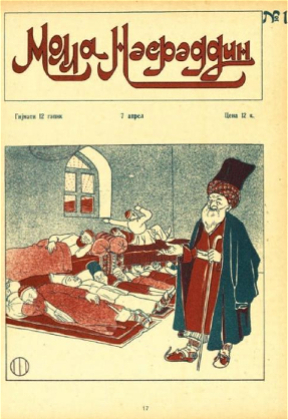
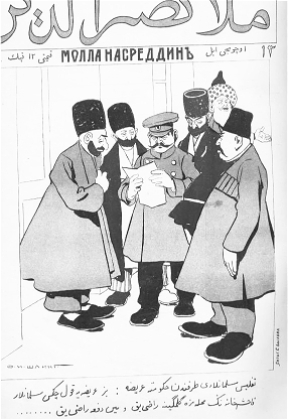
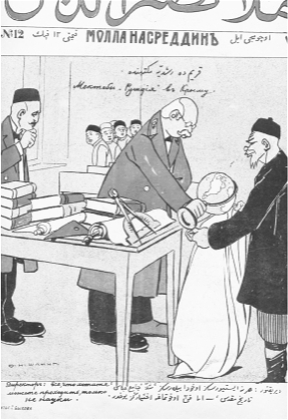
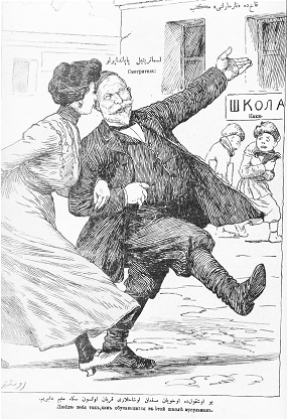
During his tenure at “Shargi-Rus”, Jalil Mammadguluzadah honed his skills as a professional journalist. On April 7, 1906, he launched the magazine “Molla Nasreddin” in Tbilisi, marking a significant milestone in the development of national press and etching his name in Azerbaijan's press history in golden letters. The magazine, published in Tbilisi until 1918, later relocated to Tabriz in 1921 and subsequently to Baku, where it was published from 1921 to 1931.
Molla Nasreddin sharply criticized colonial policies, ignorance, backwardness, and social injustice. It quickly expanded its readership and gained fame that transcended the Caucasus, reaching all of Russia, the Turkic world, and the Near and Middle East. Despite persistent persecution and pressure, the magazine continued its publication for 25 years, fostering the socio-literary movement known as "Molla Nasreddinism," which significantly influenced the subsequent development of Azerbaijani press.
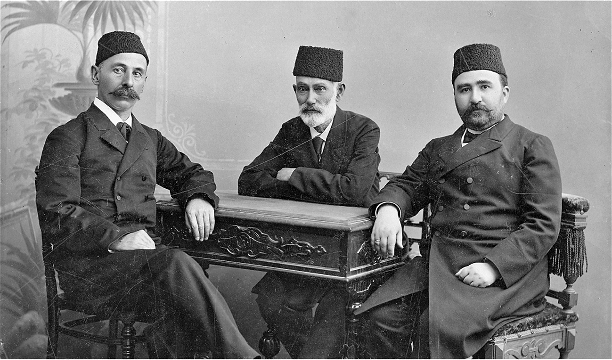
Despite the stringent censorship imposed by the Russian Empire restricting the rapid growth of press outlets in the country, Azerbaijani intellectuals persisted in their efforts to publish newspapers and magazines in their native language. Under the close involvement and leadership of individuals like Ahmad bey Aghaoghlu, Ali bey Huseynzadah, Alimardan bey Topchubashov, Najaf bey Vazirov, and Mohammad Amin Rasulzadah, several publications emerged between 1905 and 1918. Newspapers and magazines such as “Hayat”, “Irshad”, “Taraggi”, “Fuyuzat”, “Igbal’, “Achig Soz”, and others delved into crucial issues affecting the nation. They discussed the formation of national ideology, statehood consciousness, and political rights of the people, depicted the feudal backwardness and harsh life of peasants, and emphasized matters of culture, literature, and language.
The military-political situation unfolded in Russia at the end of 1917 and the proclamation of the Azerbaijan Democratic Republic led to the emergence of new press outlets with fresh perspectives. On May 28, 1918, the foundation of the first democratic republic in the East was laid. The establishment of the Azerbaijan Democratic Republic marked a new era and a historical milestone for the Azerbaijani people in the 20th century. Although the Republic lasted only 23 months, its creation of a democratic environment for the press, equal representation, and guaranteed freedom of thought and expression left a lasting legacy. Several legal documents enshrining freedom of speech and the press were adopted during this period. Notably, the October 1919 Statute on the Press provided a democratic framework for the functioning of all press publications, regardless of their social and political orientation.
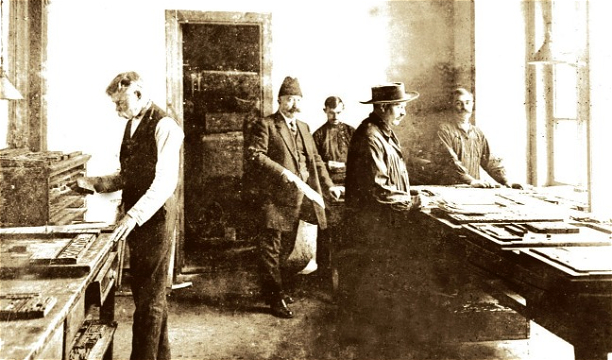
After the April 1920 occupation of Azerbaijan, the Soviet ideological system regarded the press as a tool for propaganda. Under a one-party system, journalism was tasked with promoting the advantages of the new political regime. From its inception, Soviet press functioned solely as a propaganda instrument during all periods, including the years of repression, World War II, and the Cold War. During the Soviet era, the network of newspapers and magazines expanded in line with the ideological agenda, specialized press bodies were established, and broadcast journalism began to take shape.
Despite operating under the principles of socialist realism during Soviet rule, Azerbaijani journalism continued to evolve. Even with the constraints of ideological control, the press played a significant role in fostering national identity and self-awareness.
By the late 1980s, the democratization of socio-political life in the USSR sparked a political awakening in Azerbaijan. Public discontent over Armenia’s aggressive policies transformed into a nationwide movement. Newspapers and magazines such as “Azerbaijan”, “Aydinlyg”, “Yeni Fikir”, “Meydan”, “Azadlyg”, “Seher”, “Odlar Yurdu”, “Genclik”, and “Xazar”, which emerged as alternatives to official propaganda during the most challenging times for the country, sought to break through censorship and provide society with objective information.
After regaining independence, Azerbaijan saw the emergence of new newspapers and magazines. These publications stood out sharply from their predecessors, embodying themes of renewal and revival. The expansion of the information landscape led to the development of new trends in journalism and the creation of various types of publications and radio-television channels.
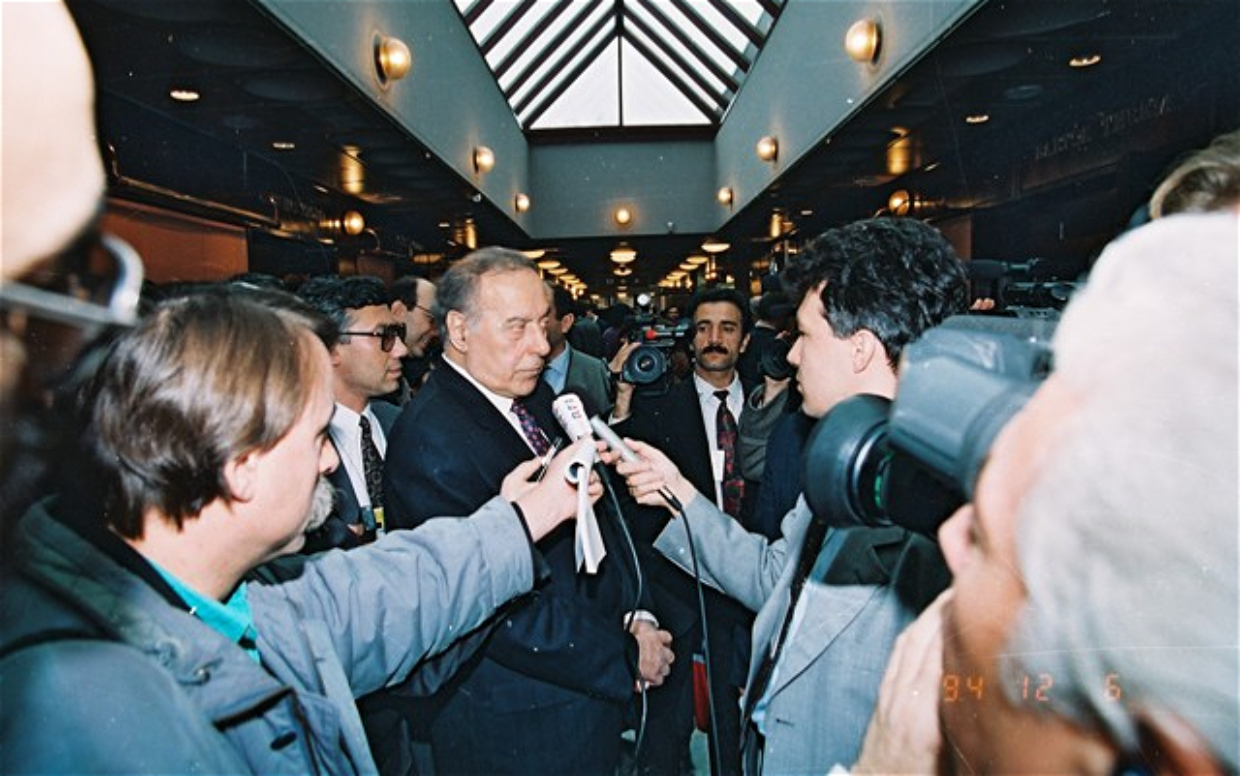
During the years of independence, independent radio and television channels emerged as the leading branch of the modern mass media system, securing their position in the broader information space. This period also marked the establishment and structuring of independent news agencies and online information portals.
In 1993, in response to the people's persistent demand, National Leader Heydar Aliyev returned to power, laying the foundation for Azerbaijan's history of independence. Through his political determination and significant efforts, artificial barriers limiting pluralism and the freedom of speech and information were removed, culminating in the abolition of censorship by Presidential Decree dated August 6, 1998.
Subsequently, under the decree of President Ilham Aliyev dated July 31, 2008, which approved the “Concept of State Support for the Development of Mass Media in the Republic of Azerbaijan”, critical measures were initiated. These measures aimed at bolstering the independence of national press, included improving mechanisms for supporting editorial offices, promoting the adoption of modern technologies, strengthening effective collaboration between society and the media, enhancing the professionalism and accountability of journalists, and improving their social welfare.
The historic victory achieved under the leadership of our Victorious Supreme Commander-in-Chief during the 44-day Patriotic War provided a significant impetus for the development of media, marking the start of a new phase. Shortly after the war, the Presidential Decree "On deepening reforms in the field of media in the Republic of Azerbaijan" introduced fundamental changes, setting forth new and more responsible tasks for the sector.
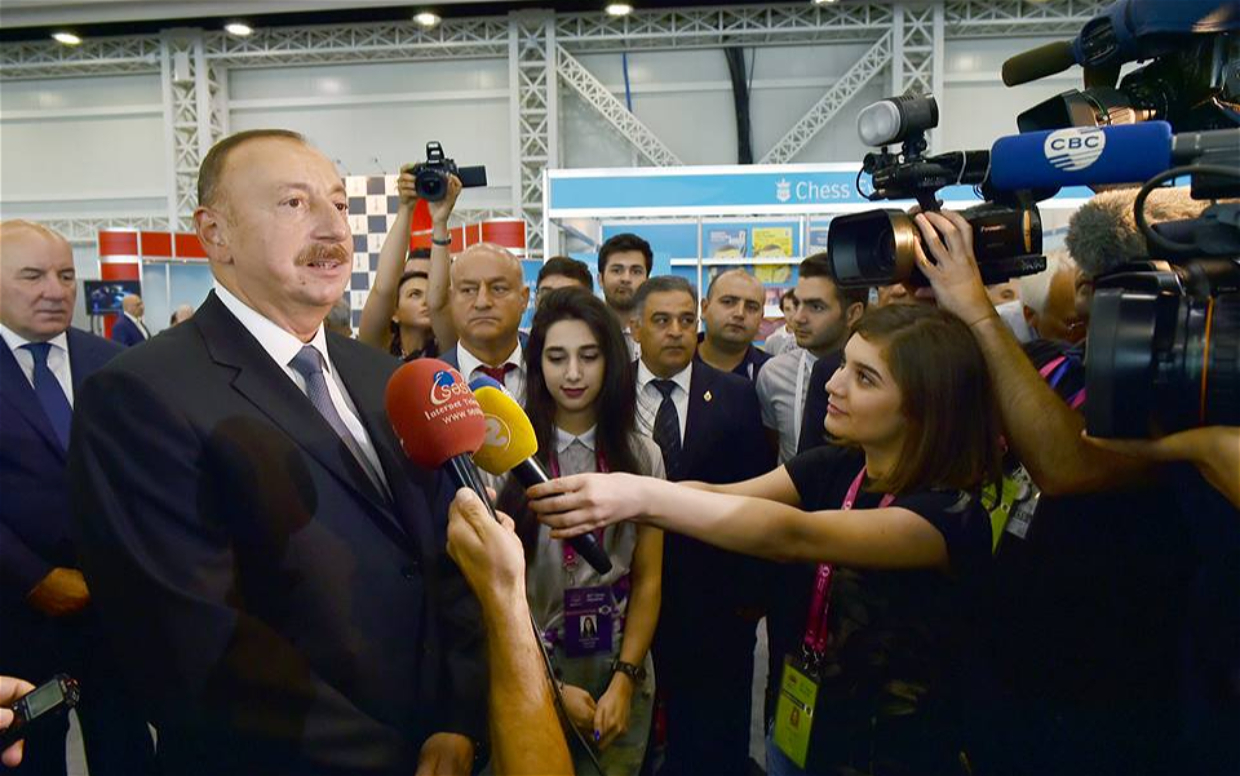
The novelties stemming from the decree will facilitate the promotion of activities within Azerbaijani media that adhere to the principles of transparency and citizen satisfaction, ensuring the objective and professional dissemination of information to society. These measures will foster modernization, rationality, the broad application of advanced technologies, and the adoption of novel approaches in line with the principles of operation established by the global information environment and leading trends.
The Media Development Agency prioritizes stimulating the application of new information and communication technologies and innovations in the media sector, implementing projects of public interest for citizens and society, and coordinating the relevant activities of state bodies and institutions, local self-government bodies, and legal and natural persons.